Smart Stations
Overview
The Smart Stations tab allows administrators to provision and manage workstations that host Smart Buddies.
A Smart Station represents a physical or virtual machine where a Smart Buddy is deployed.
It authorizes and secures the connection between the Buddy and the AI Command Center.
Key characteristics:
- A Smart Buddy can be associated with only one Smart Station at a time
- The Smart Station name must match the actual workstation hostname
- Each Smart Station generates a unique connection key
- Logging levels can be centrally managed from the AI Command Center
Smart Stations act as the execution environment binding Smart Buddies to specific machines.
How to Access
From the AI Command Center, navigate to: Local Agents → Smart Stations
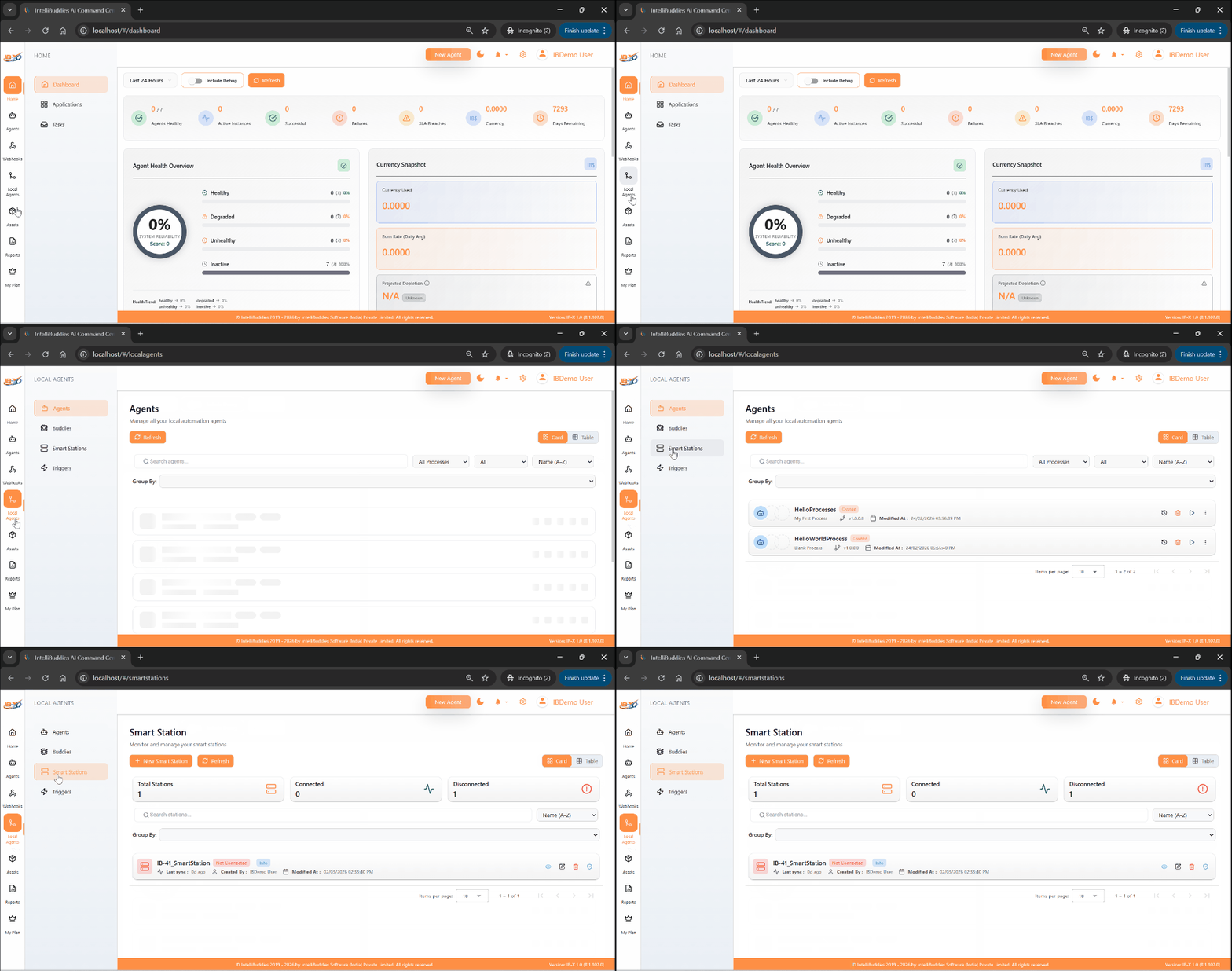
Smart Stations View
The Smart Stations tab displays all registered stations in a structured table layout.
| Column | Description |
|---|---|
| Station Name | Name of the registered workstation. |
| Description | Optional description of the Smart Station. |
| Logging Level | Configured logging verbosity. |
| Status | Indicates whether the station is active. |
| Created By | User who provisioned the Smart Station. |
| Modified At | Date and time of last modification. |
| Actions | Available operations such as View, Edit, or Delete (based on permissions). |
Permissions
Access to Smart Stations is governed by role-based permissions.
| Permission | Description |
|---|---|
| View | View Smart Stations and their details. |
| Create | Register a new Smart Station. |
| Edit | Modify Smart Station configuration. |
| Delete | Remove a Smart Station. |
Creating a Smart Station
To provision a new Smart Station:
- Open the Smart Stations tab.
- Click New Smart Station.
- Enter the exact Workstation Name (hostname).
- (Optional) Add a description.
- Copy the generated Key and store it securely.
- Select the required Logging Level.
- Click Add.
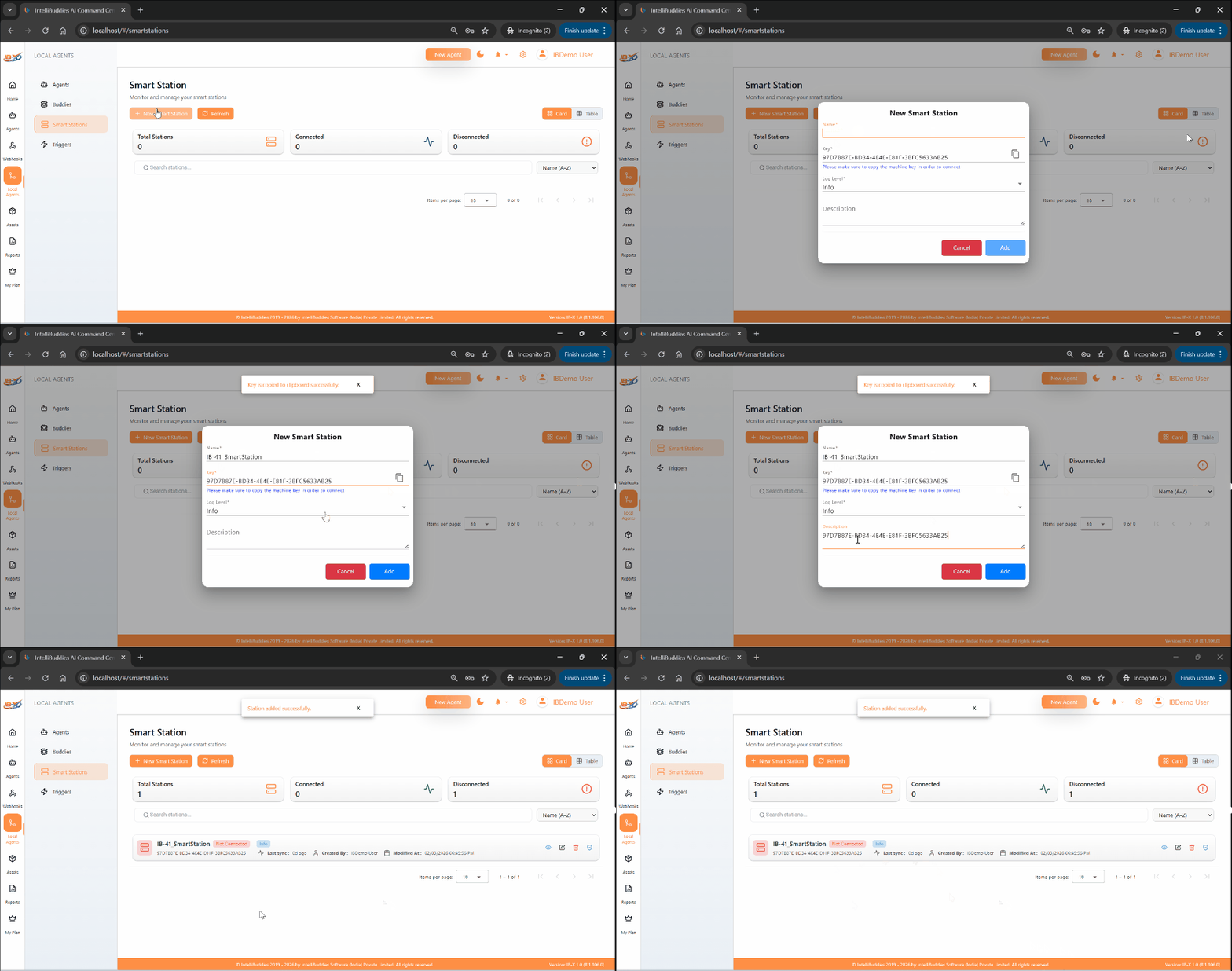
You can obtain the workstation name by:
- Running
hostnamein Command Prompt - Checking Control Panel → System → Device Name
The generated Key must be configured in the Smart Station agent installed on the workstation to establish a connection with the AI Command Center.
Logging Levels
Logging levels control the type and severity of events recorded for a Smart Station.
The levels are ordered from highest severity to lowest severity.
Selecting a lower level includes logs from all higher severity levels above it.
| Logging Level | Description |
|---|---|
| FATAL | Logs only fatal system errors. A fatal error typically causes the application to terminate. |
| ERROR | Logs error messages. Includes FATAL logs. |
| WARN | Logs warning messages that may indicate potential issues. Includes ERROR and FATAL logs. |
| INFO | Logs informational messages about application activity and status updates. Includes WARN, ERROR, and FATAL logs. |
| DEBUG | Logs detailed debugging information useful for tracing execution flow. Includes INFO, WARN, ERROR, and FATAL logs. |
| TRACE | Logs highly detailed diagnostic information with high frequency. Includes all log levels: DEBUG, INFO, WARN, ERROR, and FATAL. |
Use INFO or WARN for normal production environments.
Use DEBUG or TRACE only for troubleshooting purposes, as they generate high log volume.
Deleting a Smart Station
To delete a Smart Station:
- Open the Smart Stations tab.
- Select the Smart Station.
- Choose Delete.
- Confirm the action.
A Smart Station can be deleted only if no Buddies are currently associated with it. If a Buddy is linked, you must first reassign or remove the Buddy before deleting the Smart Station.