Import
Overview
The Import tab allows administrators to import process packages and associated resources into the AI Command Center.
Importing packages enables:
- Migration of automation assets between environments
- Deployment of new processes
- Replication of configurations and dependencies
- Controlled rollout of automation updates
The Import tab is available to users with the appropriate import management permissions.
How to access: From the AI Command Center, open Settings (⚙️) in the top-right corner and navigate to Migration → Import to access the Import tab.
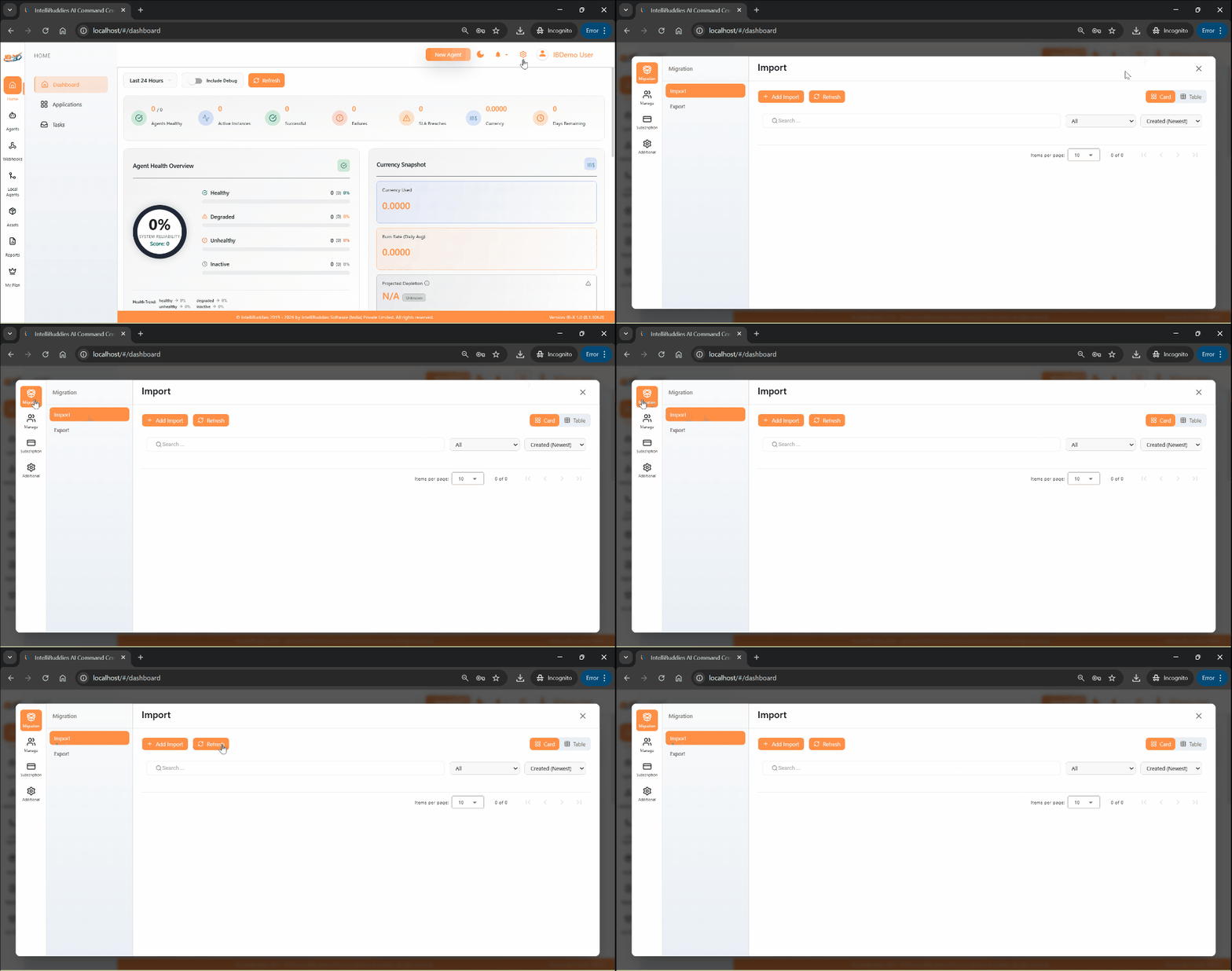
Import View
The Import tab displays all import jobs in a structured table layout.
| Column | Description |
|---|---|
| Job Name | The name of this import job. |
| Created By | User who initiated the import. |
| Created At | Date and time the job was created. |
| Status | Current execution status of the import job. |
| Actions | Available operations such as View, View Report, or Delete (based on permissions). |
Creating an Import Job
To create a new import job:
- Open the Import tab.
- Click Add Import.
- Browse and select the package file (.nupkg).
- Select the entities to import under the respective tabs.
- Use Next and Back to review selections.
- Click Create to start the job.
At least one entity must be selected to create an import job.
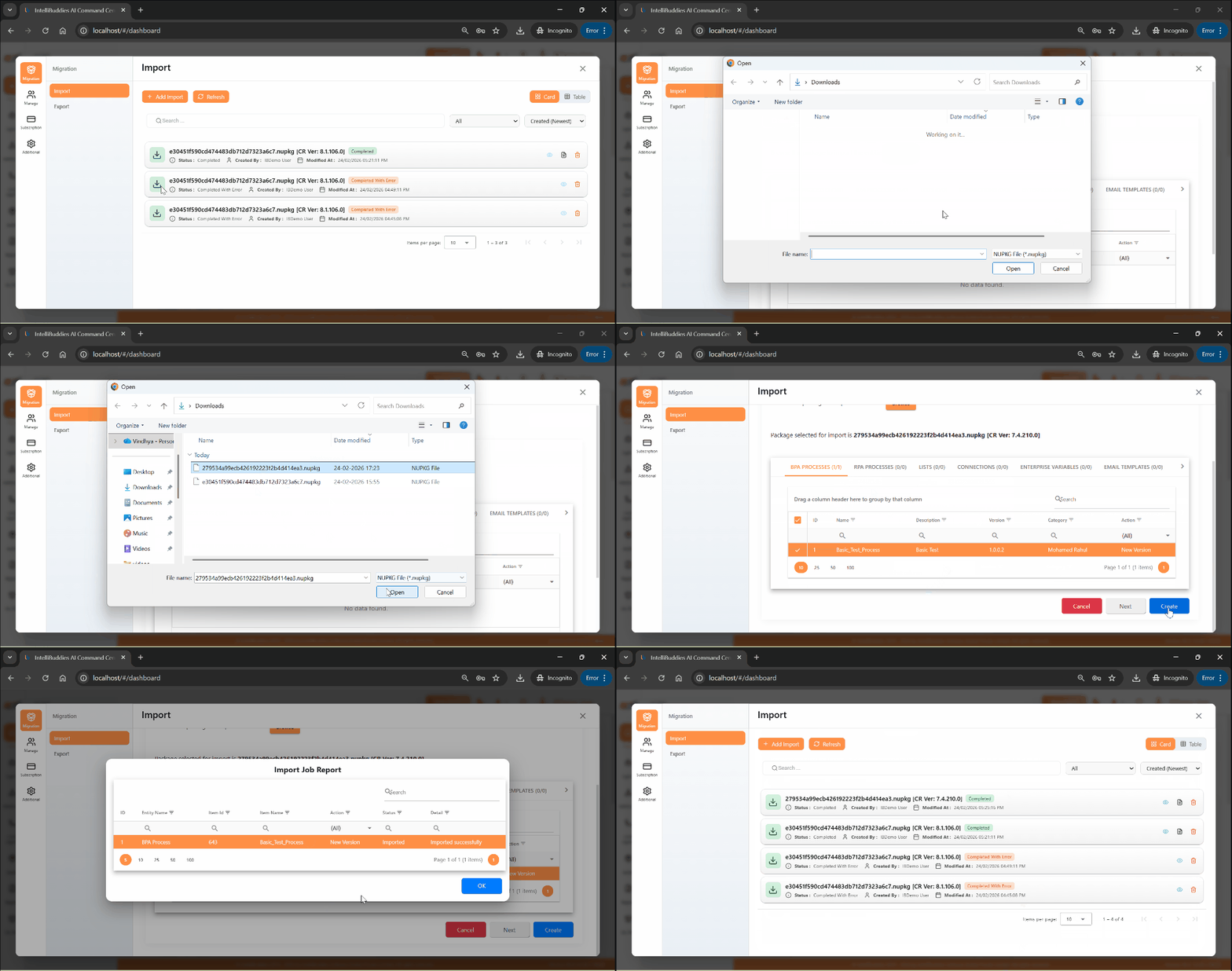
Import Actions
From the Import tab, the following actions are available (based on permissions):
| Action | Description |
|---|---|
| View | Opens job details in read-only mode. |
| View Report | Displays detailed import results for each selected entity. |
| Delete | Permanently removes the selected import job record. |
Viewing a Job
To view job details:
- Open the Import tab.
- Select the job.
- Choose View.
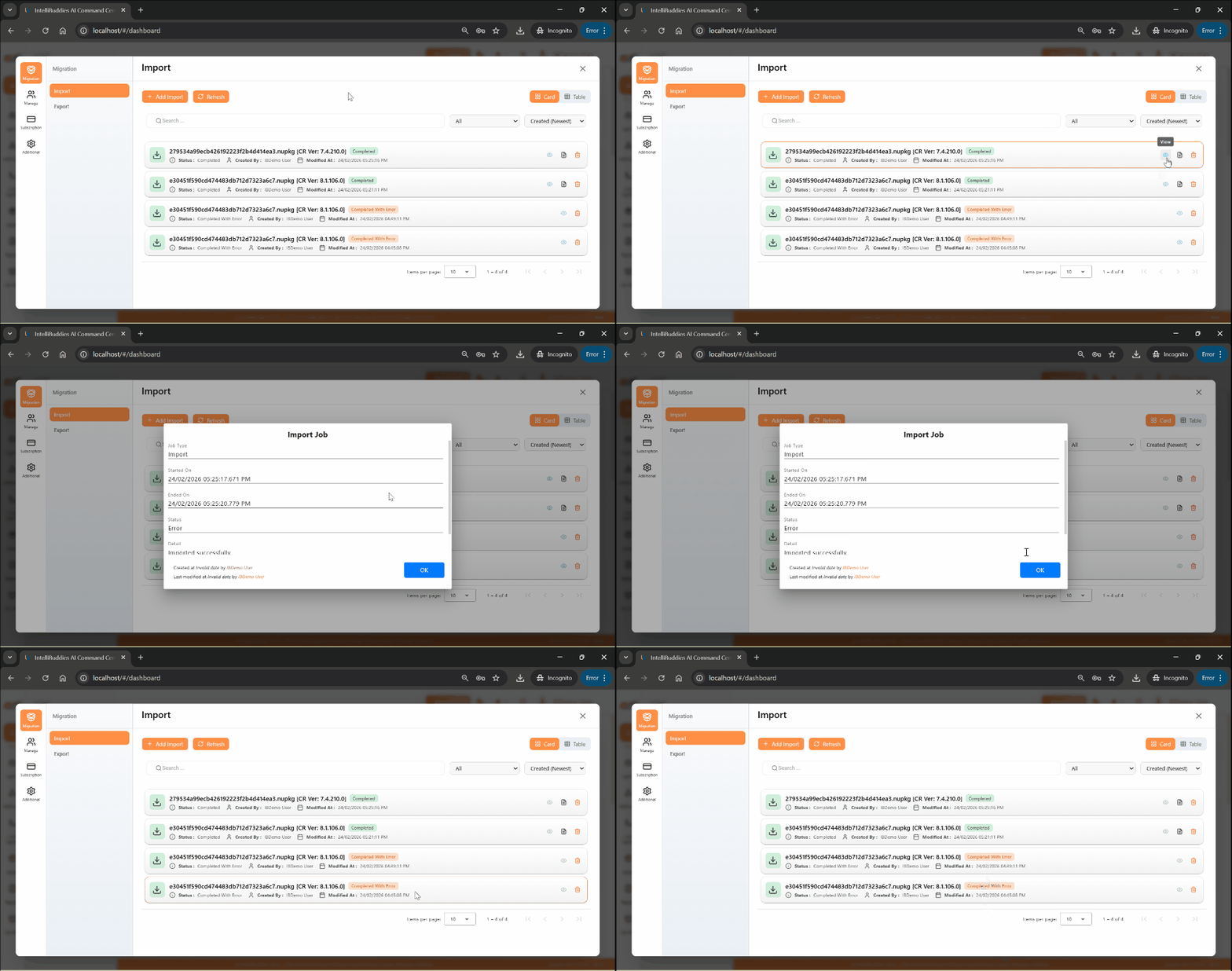
This view displays the selected package information and chosen entities.
Viewing Import Report
To view the import results:
- Open the Import tab.
- Select the job.
- Choose View Report.
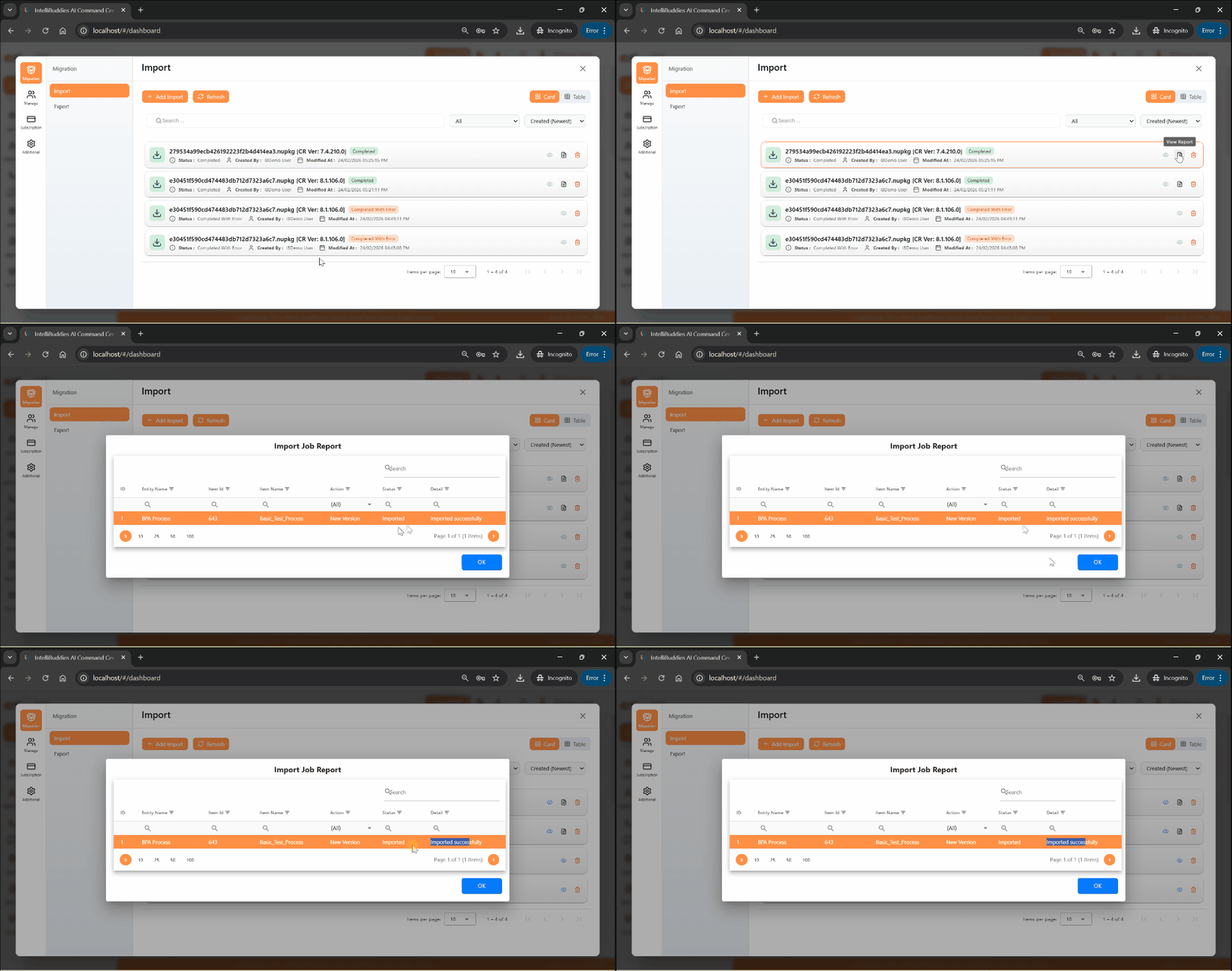
The report displays the import result for each selected entity.
Import Job Status
Each job displays an execution status.
| Status | Description |
|---|---|
| Pending | The job is queued for execution. |
| Running | The job is currently processing. |
| Completed | All selected entities were imported successfully. |
| CompletedWithError | The job completed with partial errors. |
| Error | The job failed due to an unexpected system error. |
Entity Import Behavior
During import, each entity in the package can be individually configured to determine how it should be handled in the target AI Command Center.
This behavior applies to all supported entities in the package (such as Lists, Connections, Enterprise Variables, and other resources).
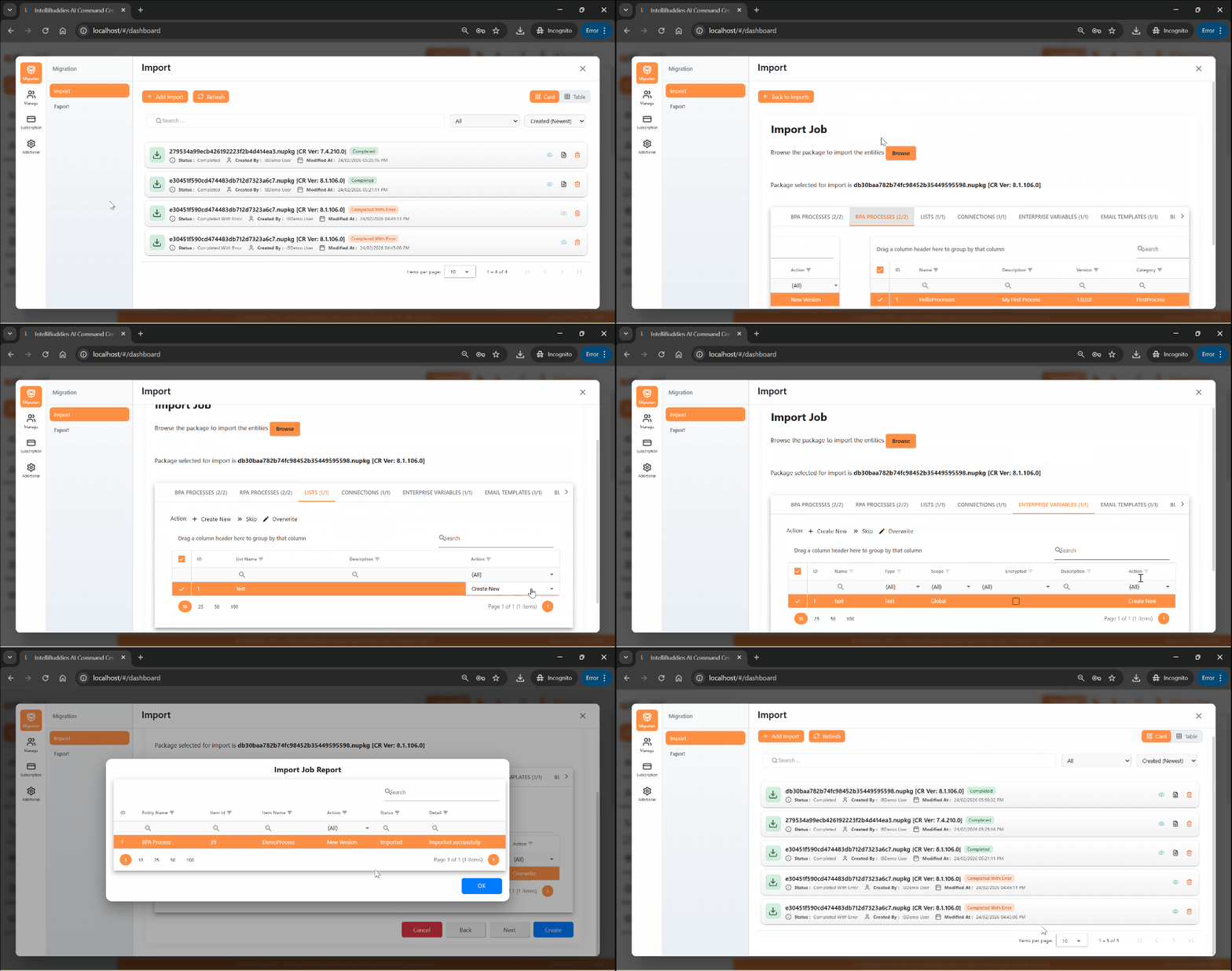
Entity-Level Import Actions
For each entity, you can choose an action under the Action column in the import screen.
| Action | Description |
|---|---|
| Create New | Creates a new entity. If an entity with the same name already exists, the system may prompt for validation or require renaming based on configuration rules. |
| Overwrite | Replaces the existing entity in the AI Command Center with the imported version. The current configuration is updated with the imported data. |
| Skip | Skips importing the selected entity. Any existing entity remains unchanged. |
Behavior Summary
- Create New → Adds a new entity to the system
- Overwrite → Updates an existing entity with imported data
- Skip → Leaves the existing entity unchanged
These options provide granular control over how resources are migrated across environments, helping avoid unintended overwrites or duplication.
Entity Import Status
After the import job completes, the View Report option displays the result for each selected entity.
The following table explains the entity import statuses:
| Status | Description |
|---|---|
| Imported | The entity has been successfully imported into the AI Command Center. |
| Overwritten | The entity has been successfully imported and replaced an existing entity. |
| Skipped | The entity was intentionally skipped during import. |
| Error | The entity failed to import. Refer to the Details column in the report for more information. |
Importing Older Packages
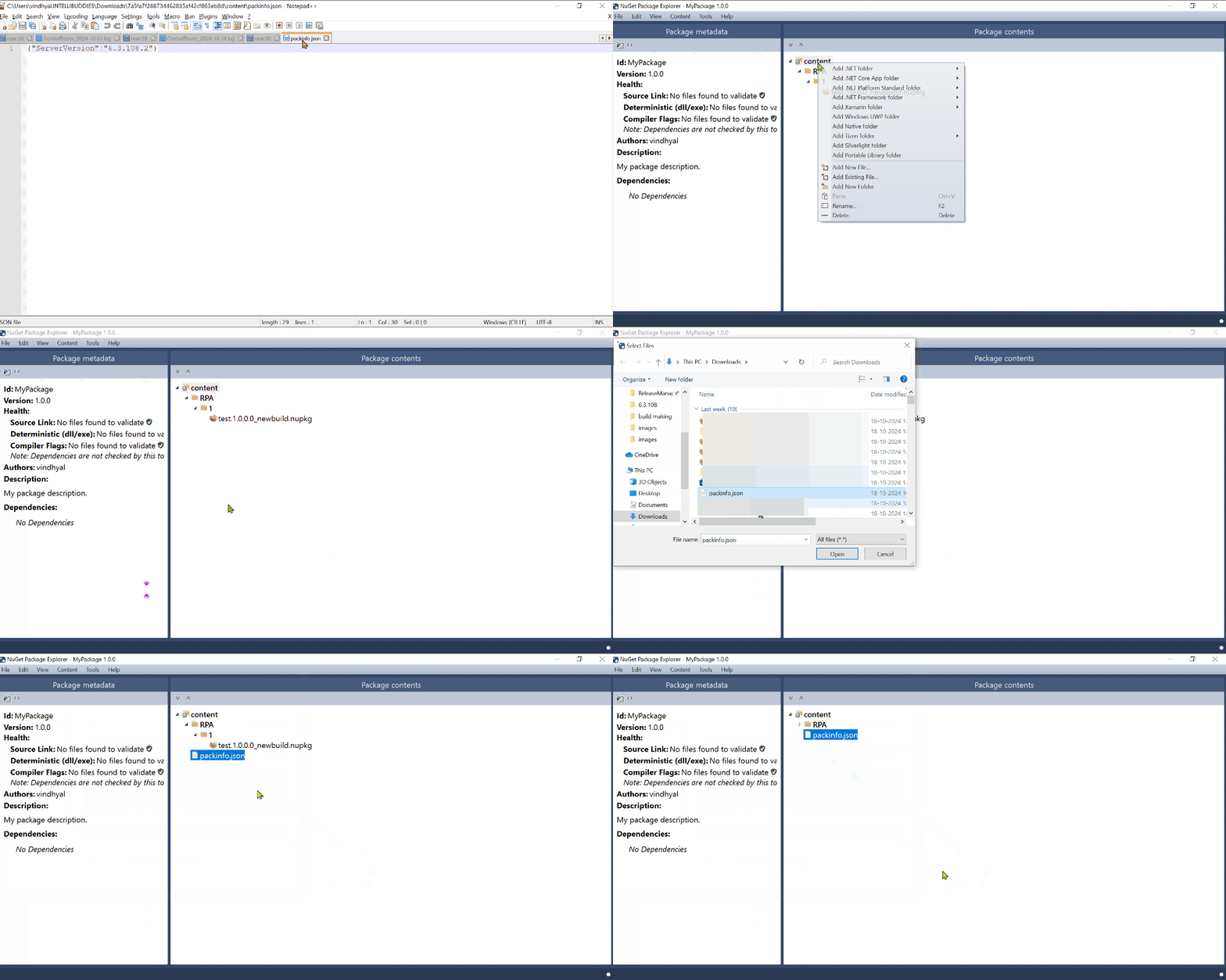
Packages created in versions earlier than 6.3.108 must be repackaged before they can be imported into newer versions of AI Command Center.
Steps to Repackage Older Packages
- Install NuGet Package Explorer.
- Create a new package.
- Add a
contentfolder. - Inside
content, create a folder based on package type:
| Package Type | Folder Name |
|---|---|
| RPA | RPA |
| BPA | BPA |
| Connections | Connections |
- Create a numeric subfolder (for example,
1). - Add the older
.nupkgfile inside the subfolder. - Create a
packinfo.jsonfile:
{
  "ServerVersion": "6.3.108.2"
}
Ensure the ServerVersion matches the AI Command Center server version on the server where the package will be imported.
- Add
packinfo.jsoninside thecontentfolder. - Save the new
.nupkg. - Import the newly created package from the Import tab.